From the alluring mystery of Sofia Coppola’s Virgin Suicides to the glittery melancholy of Euphoria, pop culture has long been captivated by the sad girl trope. This cultural obsession with the wounded woman isn’t confined to Hollywood. It’s everywhere—in literature, film, music, and now repackaged through curated aesthetics that reduce complex female identities into bite-sized performances.
The sad girl trope is a cultural archetype based on a woman defined by her tragic yet glamorized existence. She has a sound, a look, a style—a detached manner of speaking, a distant gaze, and an ethereal melancholy about her. She embodies a sense of mystery, akin to the manic pixie dream girl, which has led to her widespread influence in Gen Z media, fashion, and culture.
How sad girl cinema became its own genre
Films like The Virgin Suicides, Girl, Interrupted, Thirteen, Gone Girl, and Black Swan are considered staples of the sad girl genre, offering a sense of validation to young women. With only sixteen percent of 2024’s top-grossing films directed by women, it’s no wonder that young women seek out films that reflect their lived experiences.
Women’s suffering historically has been dismissed as a biological hysteria, so there’s a collective relief in being understood by artists, poets, and filmmakers who are deemed prestigious and serious. It feels good to be seen—even if only through a trope. But it made me wonder: Are we being reflected, or are we simply reflecting the image projected onto us?
Film directors use dreamy cinematography, soft angelic lighting, and carefully curated styling to visualize pain as enchanting rather than raw. A perfect example is Coppola’s signature shot of a tragic heroine gazing out of a window—typically a passenger car window. In these scenes, the focus is never on what’s outside the window but always on the girl’s dreamy stare.
(Collider Paramount Pictures)
Coppola didn’t invent the sad girl, but her cinematic work has cemented her as a cultural icon of this generation. The sad girl is often a passive character, drifting through her sorrow without ever confronting its deeper roots—whether they stem from systemic oppression or personal turmoil. Her tears may be genuine but they never get her anywhere beyond a picturesque camera shot. These all-too-common depictions frame pain as an alluring aspect of femininity, reducing female characters to beautifully tragic figures. Beyond their cathartic tragedy, I often ask myself: Who are these women?
Watching Coppola’s Priscilla (2024) made me realize what’s missing in this genre of sad girl media: real change—not just a costume or a camera angle switch. It’s interesting that when Priscilla finally makes a bold choice to leave Elvis, the credits roll to black. Like many of Coppola’s tragic heroines, she isn’t a girl who makes things happen—she’s a girl who life happens to.
Even beyond Coppola’s films, Hollywood has a history of reducing female characters to vessels of suffering— stripping them of agency. The award-winning Blonde (2022) sacrificed historical accuracy for a voyeuristic portrayal of Marilyn Monroe’s trauma. Or take the beloved Twilight series, where Bella Swan’s identity is almost entirely consumed by her obsession with Edward Cullen–to the point she is in a nearly catatonic state after he leaves in New Moon.
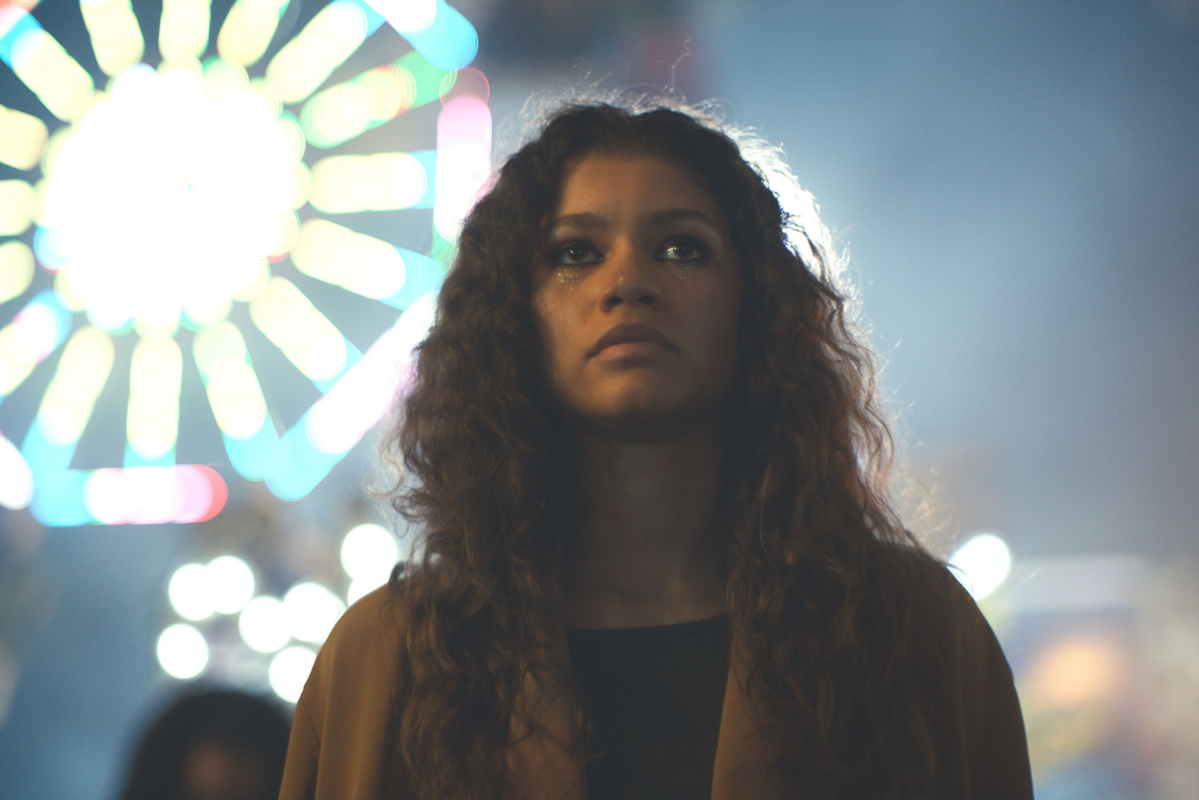
Similarly, in popular television series like Euphoria or The Idol–the delicate fashion, glitter, and kaleidoscopic lighting dress mental illness in a veil of aesthetics.
This trope predominantly centers on white women, with only twenty-five percent of top-grossing films featuring women of colour in lead roles. It’s exciting to see female directors explore girlhood on the big screen but disappointing to know a vast majority of woman are still unrepresented on screen.
The sad girl trope disappoints, not just because she has been diminished into an aesthetic, but because she has become a foil to the Girl Boss trope that preceded her. These female characters are turned into symbols, like accessories to an aesthetic rather than living people with rich inner lives.
How Gen Z is transforming the sad girl into a cultural movement
Even beyond the cinematic universe of sad girl characters, it has manifested into an aesthetic and cultural movement for many young women.
Tumblr became the official hub for glamorized female suffering, giving birth to soft grunge and sad girl aesthetics in the early 2010s. At Tumblr's peak, Lana Del Rey reigned supreme embodying the tragic essence every Tumblr girl wanted, with lines like 'He hit me and it felt like a kiss' and 'I wish I was dead already' going viral.
Mental illness became a performative aesthetic: depression as intellect, ADHD as quirkiness, and eating disorders as fashion statements.
Although Tumblr later banned that content, the beautiful suffering aesthetic had already spread beyond the platform. Remnants of Tumblr live on through TikTok and Instagram trends like Coquette Core. These trends blend hyper-feminine elements like pink ribbons, lace, and ballet flats–forming a subculture that has faced criticism for its lack of diversity and encouragement of disordered eating.
There is even now an official Sad Girl Starter Pack playlist with nearly a million likes. The aesthetic of melancholy has become so curated that even emotional distress has been transformed into a beauty trend—just look at the “crying makeup” craze.
This obsession with sadness isn’t limited to music and makeup, though. Tragic female writers like Sylvia Plath have gone viral on BookTok, with some young readers romanticizing her suffering as though it were an aspirational feat.
It’s telling that hashtags like #sadgirl, are amassing millions of likes each year, and these aesthetics simplify a larger issue. 57 per cent of teenage girls reported feeling persistently sad or hopeless in 2021 according to the Centers for Disease Control and Prevention.
Today, the Sad Girl has been rebranded into a million different archetypes. Like many other social media trends that simplify the complexity of womanhood—take the clean girl, the cottage-core girl, the manic pixie dream girl, or even the cool girl. But beneath the surface, the same social pressures live on; it’s another exhausting archetype for young women to compare and confine themselves to.
While the brand thrives on suffering, it must remain palatable—too much raw female pain is simply not marketable for the male gaze.
While some see it as a healthy outlet for expression, it ultimately transforms pain into an outer performance—one that invites perpetual dwelling. The sad girl glorifies withdrawal over resistance, wrapping passivity to female oppression in a neat appealing bow.