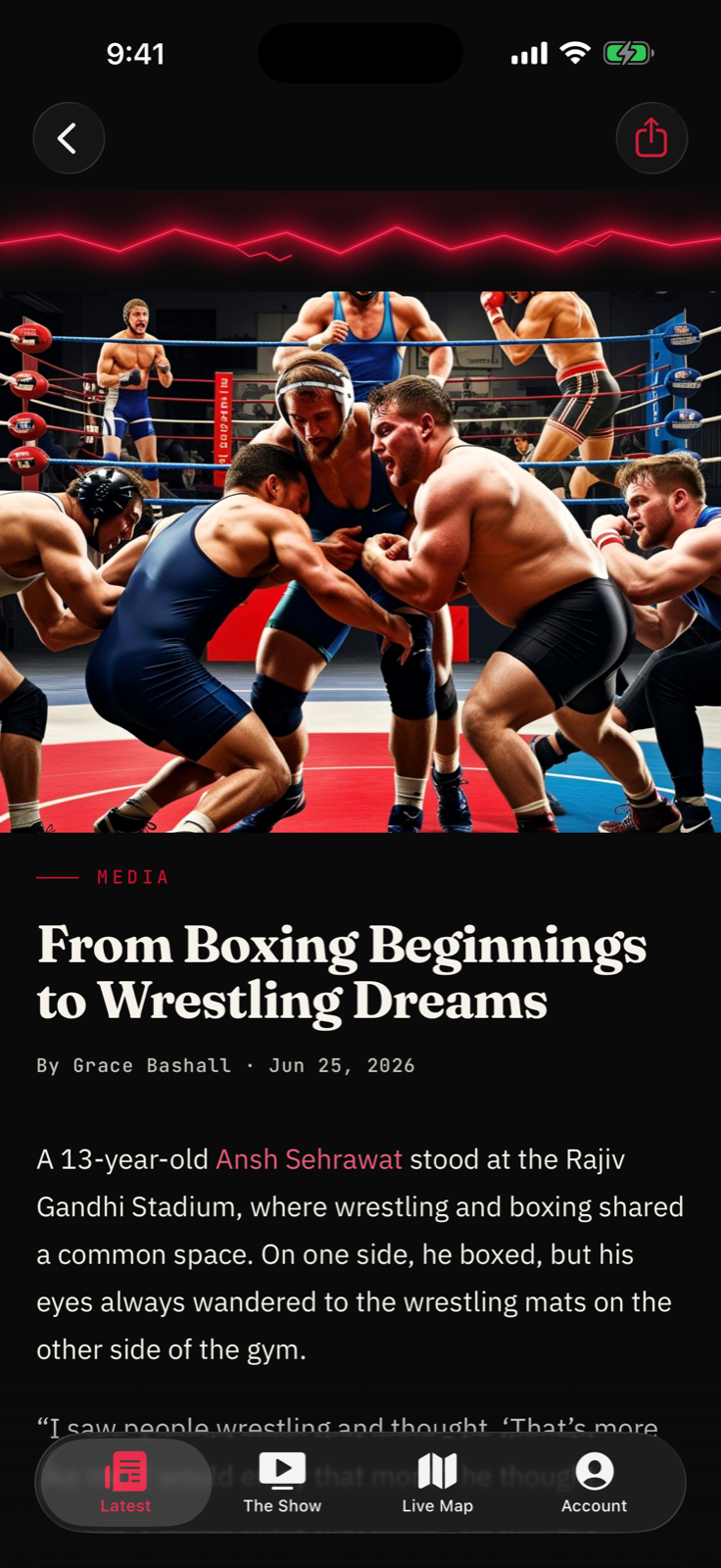
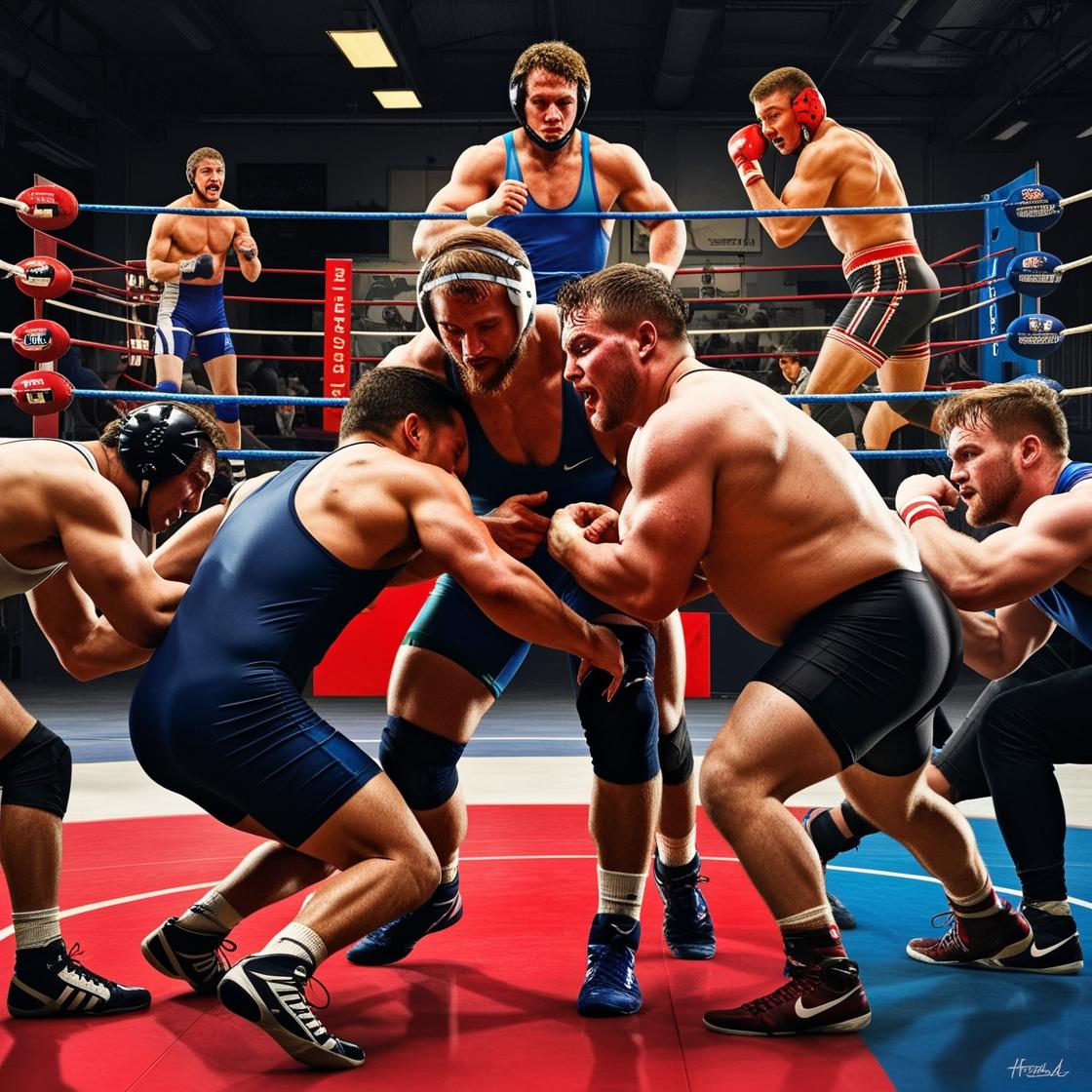
A 13-year-old Ansh Sehrawat stood at the Rajiv Gandhi Stadium, where wrestling and boxing shared a common space. On one side, he boxed, but his eyes always wandered to the wrestling mats on the other side of the gym.
“I saw people wrestling and thought, ‘That’s more like me. I would enjoy that more,” he thought.
The decision to switch from boxing to wrestling wasn’t immediate, but the pull of the mats grew stronger each day. Ansh would finish his boxing drills, only to find himself captivated by the fluid yet powerful movements of the wrestlers practicing nearby. It wasn’t long before he asked his dad if he could trade in his gloves for the wrestling singlet.
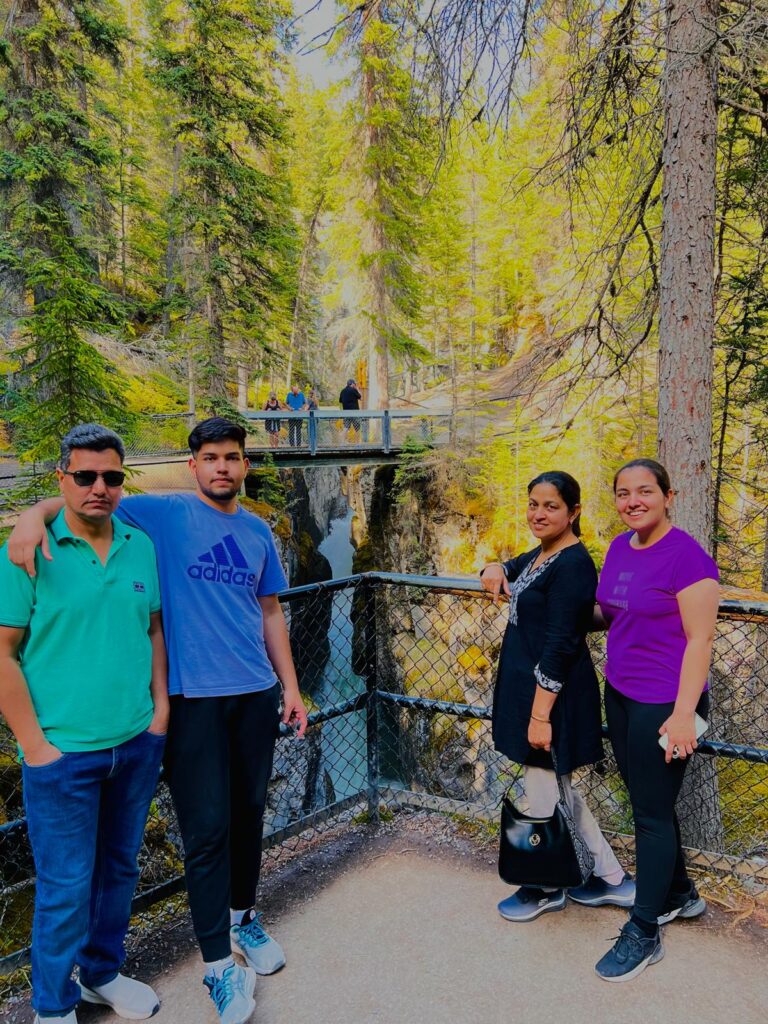
“My dad wanted me to be in a fighting sport,” Sehrawat says with a grin. “So, when I told him I wanted to switch to wrestling, he was really happy. It felt like a natural shift.” In contrast, his mother was concerned about the potential injuries that come with the sport. “Wrestling comes with injuries, and my mom was a little worried about that,” he shares.
Reflecting on his days in grade eight, he recounted how life revolved around Vikas Bharti School, where his routine was simple: waking up each morning and spending eight hours immersed in school life. After school, his grandpa would take him to practice alongside his cousin. “We used to wrestle from about 5 to 6:30 p.m., sometimes one or one-and-a-half hours. That was basically every day, except for Sundays, which were off. On Sundays, we would go for a run, just me and my cousin.” Wrestling, he says, taught him invaluable lessons in discipline.
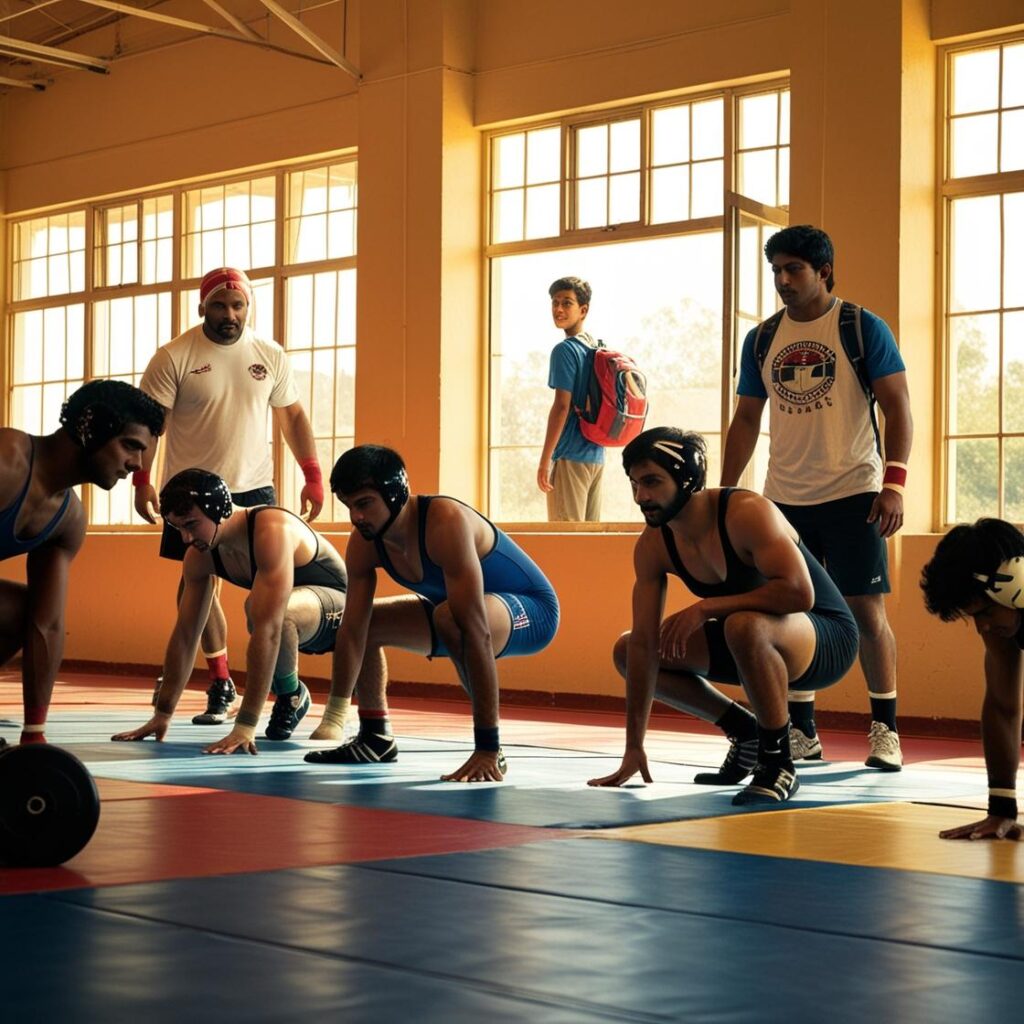
“When I saw the wrestling room and people practicing, that motivated me to get back into it,” he said, reminiscing about his first year in the University of Alberta.
As he spent more time wrestling in Canada, he noticed differences in training styles from back home. “Training in India was a bit harder because the focus was more on technique while here, people focus on going hard,” he explains.
His experience in India emphasized individual development, while in Canada, he found a more team-oriented approach. In India he trained every day, which is different from Canada—here, there are more rest days and a lot of team-focused training and a good amount of time on strength conditioning.
The structured weightlifting routine—usually three to four days a week—helps wrestlers build their overall strength and fitness. This balance between the two training styles has allowed him to evolve as an athlete. “When we have extra practice days here, I try to bring in the techniques I learned in India and mix them with what I’ve learned here,” he explained. “I’m getting the best of both worlds, and I think that’s helping me become a better wrestler.”
“Sometimes, it made him feel distant from everyone, but everyone understood that he was chasing something important to him, ” said Yashika Shokeen, his cousin, while talking about his dedication towards training and academics.
The transition from high school to university presented its own set of challenges. Academically, Sehrawat found the adjustment more manageable. “The school part wasn’t that hard,” he said.
“Wrestling was challenging because I hadn’t wrestled with any international students or Canadians before,” Sehrawat added.
Last year, as a rookie on the team he found the change a little confusing as he was a second year student with his first year of athletic beginnings. But he was quick to highlight the positive impact of his teammates. “The team really helped me,” he said. “They guided me, and now they’re my friends, so it’s even easier to be with them, and I like spending time with them more.
Gavin Cochrane, one of Ansh’s closest teammates, shares a unique bond with him that traces back to their time at the Edmonton Wrestling Club. “I think Ansh truly believes turmeric can cure any ailment,” Cochrane remarked with a laugh, referring to the traditional Indian Ayurvedic belief in the healing properties of turmeric.
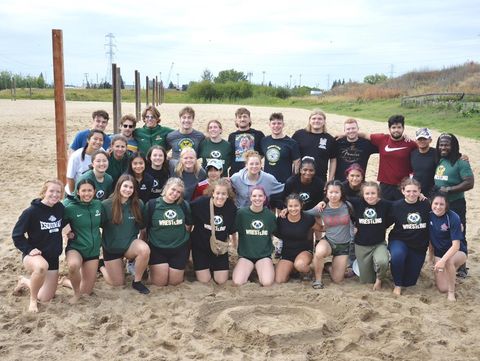
“Ansh and I share a different ideology of the sport as we use it as means for personal growth and to maximize our potential more wholistically,” said Cochrane, his teammate and friend.
Sehrawat speaks highly of his coach, Owen Dawkins, who he regards as one of the best in Canada.
Dawkins, in turn, acknowledges Sehrawat’s dedication and growth in the sport. “He came from not having any experience in the sport… from learning maneuvers… so it was a learning curve, and I think he’s coming along well,” said Coach Dawkins, reflecting on Sehrawat’s journey and progress.
“Coach’s principle of ‘extreme ownership’ taught me to take full accountability, and it’s changed how I approach my diet, recovery, and even the smallest details,” Ansh reflected.
Dawkins’ approach to coaching involves motivating his athletes and providing constructive feedback, which Ansh deeply values. “If we’re doing something wrong, he’ll let us know,” he says. In addition to Dawkins, assistant coach Michael Asselstine has also been instrumental in his development. “He’s always there to help correct our techniques and push us when we need it,” he said.
Last year, during some tough exams, Ansh felt the weight of it all, but wrestling provided the clarity he needed to push through.
“I was determined not to back down, just like I did back in eighth grade,” he recalls.
“Emotionally, when I started wrestling, I realized that when I’m on the mats, nothing else really matters at that moment. It’s like being in a meditative state where all I think about is my next move,” he reflects. “Those six minutes of a match or practice are everything for me; they’re an escape, especially when life gets overwhelming.”
“Sure, there were times when I felt overwhelmed, but I knew that if I stayed disciplined and focused, I could get through it,” he said positively.
In India, wrestling is more than just a sport—it’s a way of life in many regions, and Sehrawat wants to honor that tradition. “Wrestling is huge in India, especially in Delhi, where I’m from,” he said. “It’s a popular sport, and there’s a lot of pride associated with it.” Though wrestling is less prominent in Canada, he believes that the sport still offers immense value. Wrestling might not be as well-known here, but it has a tight-knit community that keeps it alive and strong.
“I love that sense of brotherhood and sportsmanship. When you have your teammates cheering you on, it makes all the difference,” expressed Sehrawat.
His cousin, who used to wrestle with him, has been a constant source of motivation, always believing in his potential. “He pushes me, saying I can be the best wrestler out there,” Sehrawat shares. When it comes to his long-term goals, the Olympics seem like a distant yet exciting possibility.
“Getting there is tough, but I’m not shying away from the challenge,” he admits.
He’s clear about his commitment to representing India on the Olympic stage if given the chance, but he also appreciates his time in Canada. “I love Canada and my teammates here; there’s no bias for me. I’m here to support my team and fight for them.”
When asked about any parting words of wisdom, Sehrawat smiled. “Our coach jokes that you need to intimidate the other person and win the match before it starts,” he said with a laugh. “It’s about training hard and knowing you’ve put in the work to be the best.”
Sehrawat’s journey is a blend of passion, discipline, and community, all driving him toward his aspirations in wrestling.
For him, wrestling is more than simply a sport; it is a journey of discipline, dedication, and passion. Whether on the mats in India or at the University of Alberta, he continues to push himself, using the best of both worlds to carve his own path in the sport he loves.